



Quick Answer
Tooth pain can come from decay, sensitivity, a cracked tooth, gum inflammation, infection, grinding, or problems with an existing filling or crown. The type of pain can offer clues, but symptoms alone cannot confirm the cause. If tooth pain persists, worsens, or affects chewing, a dental exam can identify the problem before it becomes more difficult to treat.
A toothache can start in several ways. You may feel a sharp sting when drinking something cold. Another tooth may hurt only when you chew. Sometimes a dull ache appears without an obvious reason. The location and type of discomfort can help narrow down the cause. However, several dental problems can create similar symptoms. Keep reading to learn seven common reasons a tooth may hurt.
Why Does My Tooth Hurt? 7 Reasons
1. Tooth Decay Has Reached a Sensitive Area
Early cavities often cause no symptoms.
As decay moves through enamel and reaches the dentin underneath, the tooth can become more sensitive. You may notice discomfort with cold drinks, sweets, or pressure.
Deeper decay can eventually irritate the pulp inside the tooth. At that point, pain may become stronger or linger after the original trigger disappears.
Finding decay earlier usually gives your dentist more options for preserving healthy tooth structure.
2. Exposed Dentin Is Making Your Tooth Sensitive
Not every sensitive tooth has a cavity.
Enamel wear or gum recession can expose dentin, which contains tiny channels that communicate with the nerve inside the tooth. Cold temperatures, acidic foods, or even brushing can then create a sudden sensation.
Sensitivity often comes and goes quickly. Pain that lingers or becomes more intense may point to another problem.
3. A Tooth Has Cracked
Cracked teeth can create especially confusing symptoms.
You may feel pain when biting down, releasing your bite, or chewing certain foods. The discomfort can disappear between meals, making the tooth seem normal again.
Cracks can also spread over time.
Your dentist will evaluate the location and extent of the fracture before recommending treatment. Some cracked teeth respond well to crowns, while deeper fractures may require additional care.
4. The Nerve Inside the Tooth Has Become Inflamed
Every tooth contains soft tissue called pulp. It contains nerves and blood vessels.
Deep decay, trauma, cracks, or repeated dental procedures can irritate this tissue. Mild inflammation may cause temporary sensitivity. More advanced inflammation can create spontaneous pain, throbbing, or discomfort that keeps you awake.
If the pulp cannot recover, root canal treatment may allow your dentist to remove the damaged tissue and preserve the tooth.
5. Your Gums Are Inflamed
Sometimes the tooth is not the main problem.
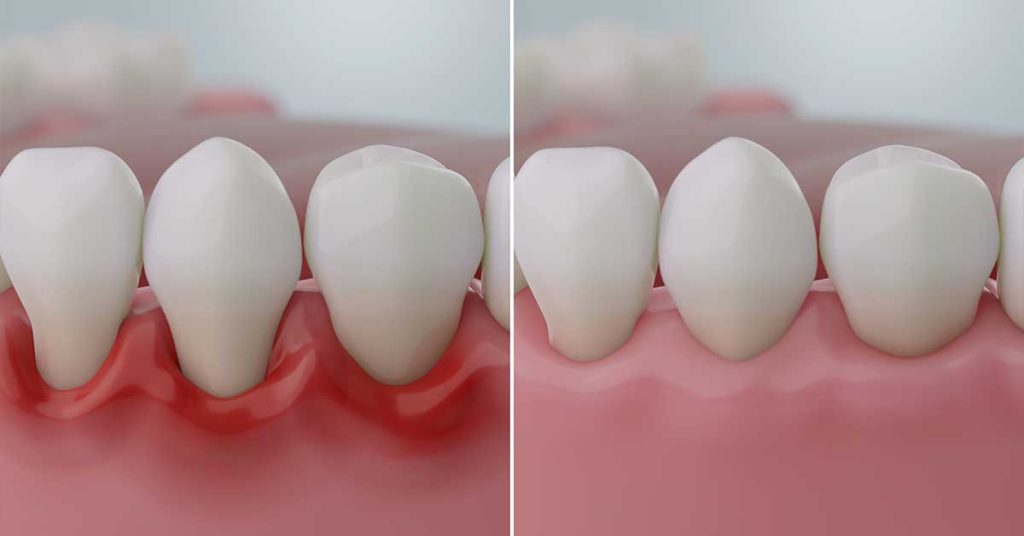
Inflamed gums can feel sore or tender around a tooth. You may also notice bleeding while brushing or flossing.
Plaque buildup commonly causes early gum inflammation. If periodontal disease progresses, it can affect the tissues and bone that support the teeth.
Persistent gum discomfort deserves attention even when the tooth itself feels stable.
6. You Grind or Clench Your Teeth
Teeth can hurt even when they have no decay or cracks.
Grinding and clenching place repeated pressure on teeth, jaw muscles, and the tissues surrounding tooth roots. Some people notice tenderness when they wake up. Others develop worn tooth surfaces, jaw fatigue, or headaches.
Heavy bite forces can also place extra stress on fillings, crowns, and already weakened teeth.
Your dentist can look for wear patterns and other signs that grinding may contribute to your symptoms.
7. An Existing Filling or Crown Has a Problem
Dental restorations experience the same daily chewing forces as natural teeth.
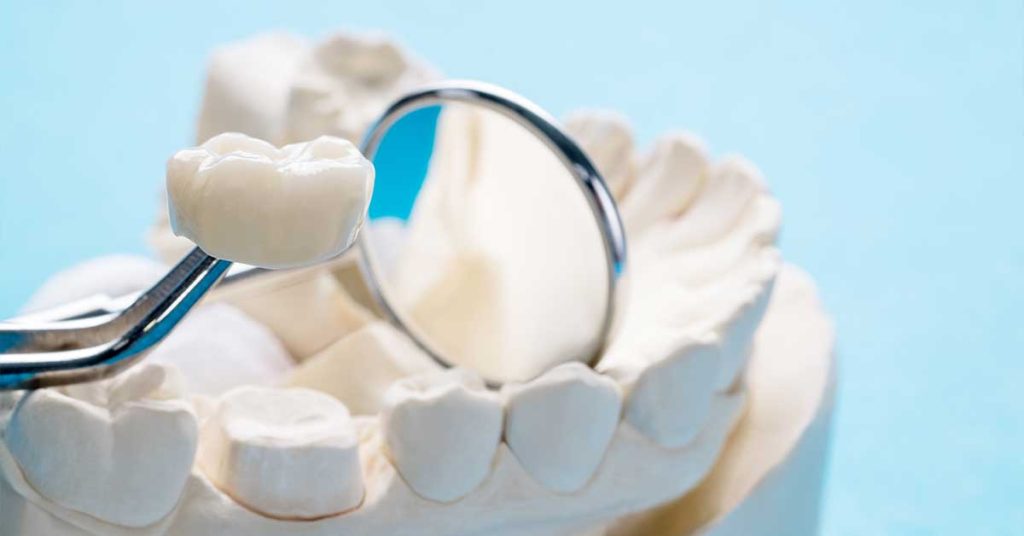
A filling can loosen, crack, or develop decay around its edges. A crown may become damaged or allow problems to develop in the tooth underneath.
Sometimes a restoration simply changes the way your teeth come together. If one tooth receives too much pressure, it may become sore when you bite.
An examination can determine whether the restoration needs adjustment, repair, replacement, or continued monitoring.
What Does the Type of Tooth Pain Tell You?
Different symptoms can provide useful clues.
Brief sensitivity to cold may suggest exposed dentin. Pain while chewing may point toward a crack, damaged restoration, or bite problem. Lingering heat sensitivity or spontaneous throbbing can indicate inflammation inside the tooth.
Those patterns help guide the exam, but they do not provide a diagnosis by themselves.
Dentists often need to examine the tooth, test its response, evaluate the bite, and review X-rays before identifying the source.
When Should You Call a Dentist About Tooth Pain?
Do not wait for severe pain before scheduling an appointment.
Contact your dentist when pain continues, repeatedly returns, or becomes stronger. You should also seek care for swelling, fever, facial swelling, significant trauma, or difficulty swallowing.
Dental problems rarely become easier to treat after they progress.
Early evaluation can sometimes mean the difference between a small restoration and more extensive treatment.
Find the Cause of Your Tooth Pain
Tooth pain is your mouth’s way of telling you something has changed.
The cause may be simple, but guessing can delay the treatment you actually need. Elite Smiles can evaluate the tooth, identify the source of your discomfort, and explain the available treatment options clearly.
If you have persistent tooth pain, sensitivity, or discomfort when chewing, call Elite Smiles at (865) 637-5708 or book a visit online to schedule an appointment.