



Quick Answer
Bad breath can continue after brushing because odor-causing bacteria often collect in places a toothbrush doesn’t fully reach, including the tongue, between teeth, and along the gumline. Dry mouth, gum disease, tooth decay, smoking, certain foods, and some medical conditions can also contribute. If bad breath keeps returning despite good home care, a dental exam can help identify whether the source is coming from your mouth.
You brush your teeth, rinse your mouth, and expect your breath to feel fresh. Then an hour later, the problem is back. Persistent bad breath can feel frustrating because brushing seems like the obvious solution. But brushing only addresses part of the mouth. If bacteria continue collecting elsewhere, or another condition changes the environment inside your mouth, odor can return quickly. If that describes your situation, you’ve probably wondered, “why do I have bad breath even after brushing?” We’ll try to answer that question in this article.
Dentists call persistent bad breath halitosis. Understanding where it comes from is the first step toward actually correcting it.
Why Do I Have Bad Breath Even After Brushing?
1. Your Toothbrush Doesn’t Clean Your Entire Mouth
Bacteria live throughout the mouth, not just on the surfaces of your teeth.
One of their favorite places is the tongue. Its textured surface contains small grooves where bacteria, food debris, and dead cells can accumulate. Those bacteria can release sulfur-containing compounds that create an unpleasant odor.
Plaque can also remain between teeth where toothbrush bristles cannot reach effectively.
That is why someone can brush thoroughly and still have bad breath. Brushing may clean the visible tooth surfaces while leaving a significant amount of bacterial buildup untouched.
Cleaning between your teeth and gently cleaning your tongue can reduce those reservoirs.
2. Your Gums May Be Part of the Problem
Persistent bad breath can sometimes point to gum inflammation.
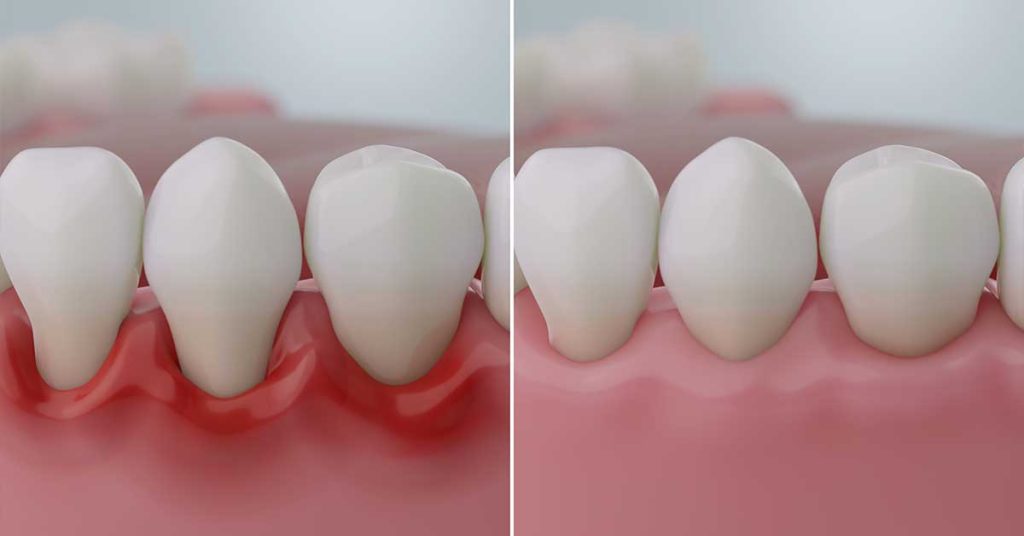
Plaque that stays near the gumline allows bacteria to multiply. Early inflammation may cause bleeding when you brush or floss. As periodontal disease progresses, deeper spaces can develop between the gums and teeth.
Those areas become difficult to clean at home.
Bacteria and debris can collect below the gumline, where brushing and ordinary flossing may no longer remove them effectively. Bad breath can then become one symptom of a larger periodontal problem.
If your breath has changed along with bleeding, swollen gums, or gum recession, schedule a dental evaluation.
3. Dry Mouth Can Make Bad Breath Worse
Saliva constantly helps clean your mouth.
It washes away food particles and limits bacterial buildup. It also helps keep oral tissues moist.
When saliva production drops, bacteria and debris remain in the mouth longer.
You may notice this first thing in the morning because saliva production naturally decreases while you sleep. That familiar “morning breath” often improves once saliva flow increases again.
Persistent dry mouth creates a different situation.
Some medications can reduce saliva production. Dehydration, mouth breathing, tobacco use, and certain medical conditions can contribute as well.
Someone with dry mouth may brush regularly and still struggle with bad breath because the mouth has lost part of its natural cleaning system.
Could a Cavity or Infected Tooth Cause Bad Breath?
Sometimes.
Decay creates areas where bacteria can collect, particularly as a cavity becomes larger. Broken teeth and failing restorations can create similar traps for food and plaque.
An infected tooth can also affect the taste or odor inside the mouth, especially if drainage develops around the tooth or gums.
These problems usually won’t improve just because you brush more often.
The underlying tooth needs evaluation.
A dentist can determine whether decay, a damaged filling, a fractured tooth, or infection contributes to the problem.
Why Doesn’t Mouthwash Fix It?
Mouthwash can help, but it doesn’t always address the source.
Some rinses reduce oral bacteria temporarily. Others mainly provide flavor and a temporary sense of freshness.
Neither approach replaces physical plaque removal.
If bacteria remain on the tongue, between the teeth, or below inflamed gums, the odor can return after the effect of the rinse fades.
Some alcohol-containing rinses can also leave certain people feeling drier, which may work against you if dry mouth already contributes to the problem.
Think of mouthwash as one possible part of oral hygiene rather than the treatment for every case of bad breath.
Food Isn’t Always the Main Cause
Garlic, onions, coffee, and strongly flavored foods can temporarily affect your breath.
That usually resolves as your body processes the food.
Persistent bad breath is different.
If the problem appears every day regardless of what you eat, it makes sense to look beyond yesterday’s dinner.
Tobacco can contribute both directly through odor and indirectly by affecting gum health and saliva. Poorly cleaned dentures or other removable dental appliances can also harbor bacteria.
The pattern often gives your dentist useful information.
What If the Dentist Doesn’t Find an Oral Cause?
Most chronic bad breath originates in the mouth, but not every case does.
Sinus conditions, respiratory infections, acid reflux, and some medical conditions can affect breath odor.
A dental exam can help narrow the possibilities.
If your teeth, gums, tongue, and oral tissues appear healthy, your dentist may recommend discussing the problem with your physician or another appropriate healthcare provider.
That is more useful than repeatedly changing toothpaste or trying stronger mouthwash without knowing what you are treating.
What Can You Do About Persistent Bad Breath?
Start by improving the areas brushing may miss.
Clean between your teeth every day. Gently brush or scrape your tongue, especially toward the back where bacterial coating often collects. Drink enough water to support normal saliva production.
Keep up with professional cleanings as well.
Hardened tartar cannot be brushed away at home, and periodontal pockets may require professional treatment before odor improves.
If the problem continues despite consistent home care, stop guessing.
A dental examination can identify decay, gum disease, dry mouth, failing restorations, or other oral conditions that may contribute.
Common Questions About Bad Breath
Can bad breath mean I have gum disease?
Yes. Persistent bad breath can accompany gingivitis or periodontal disease, particularly when you also notice bleeding gums, swelling, recession, or tenderness.
Does flossing help bad breath?
It can. Food debris and plaque collect between teeth where brushing cannot clean effectively. Removing that buildup reduces one common source of odor.
Why is my breath worse in the morning?
Your mouth produces less saliva while you sleep. That allows bacteria and odor-producing compounds to accumulate overnight.
Can a bad tooth cause bad breath?
Yes. Decay, infection, broken teeth, and failing dental restorations can create areas where bacteria and debris accumulate.
Should I see a dentist for bad breath?
Schedule an exam if bad breath continues despite regular brushing, interdental cleaning, and tongue cleaning, especially if you also notice bleeding gums, tooth pain, swelling, or persistent dry mouth.
Find Out What’s Causing Your Bad Breath
Persistent bad breath usually has a source. Covering the odor may make you feel better temporarily, but identifying what is happening inside your mouth gives you a better chance of correcting it.
Elite Smiles can evaluate your teeth, gums, restorations, and overall oral health to look for dental causes of chronic bad breath. If we don’t find an oral cause, we can help you understand what to investigate next.
Call Elite Smiles at (865) 637-5708 to or book a visit online to schedule an appointment.