



Quick Answer
A dental crown completely covers a damaged tooth to restore its strength, shape, and function. Dentists recommend crowns when decay, fractures, large fillings, or root canal treatment weaken a tooth beyond what a filling can reliably support. In many cases, a crown protects the natural tooth and helps you avoid an extraction.
When patients hear they need a dental crown, one of the first questions they ask is, “Why can’t you just place a filling?”
It’s a fair question. Fillings repair small to moderate areas of damage, but they cannot always support a tooth that has lost much of its natural structure. As more of the tooth disappears, the remaining enamel becomes less capable of handling everyday chewing forces.
A dental crown strengthens the tooth, protects it from further damage, and restores normal function. Understanding why dentists recommend crowns can help you make confident decisions about your oral health.
What Is a Dental Crown?
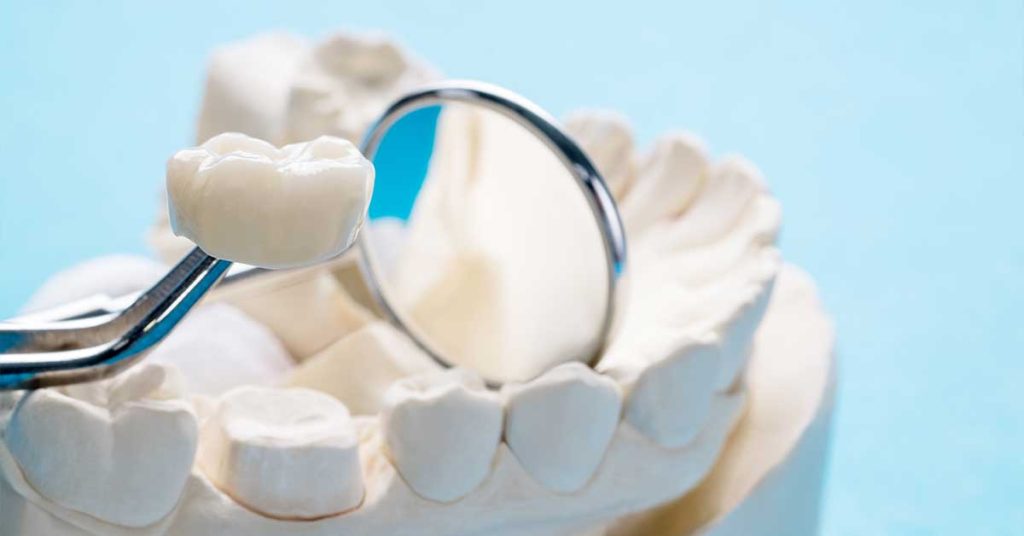
A dental crown is a custom-made restoration that fits over the entire visible portion of a tooth above the gumline. While a filling replaces only the damaged section, a crown protects the entire tooth by surrounding the remaining healthy structure.
To prepare for a crown, your dentist carefully reshapes the tooth so the restoration fits precisely. Digital scans or impressions capture every detail, allowing the dental laboratory to create a crown that matches your bite and blends naturally with your surrounding teeth.
After your dentist bonds the crown into place, it functions much like a healthy natural tooth. You can chew comfortably while the crown shields the weakened tooth underneath.
When Do Dentists Recommend a Dental Crown?
Dentists consider several factors before recommending a crown, but one goal stays the same: preserving your natural tooth whenever possible.
Large cavities often leave too little healthy enamel to support another filling. In those situations, a crown provides stronger, longer-lasting protection.
Cracked teeth also benefit from crowns. Even a small crack can spread every time you bite down. A crown helps hold the tooth together and distributes chewing forces more evenly, reducing the risk of further damage.
Dentists frequently recommend crowns after root canal treatment as well. Although a root canal removes infection, it also leaves the tooth more vulnerable to fracture. A crown restores strength and protects the tooth during normal function.
Teeth that have become severely worn or broken may also require crowns if enough healthy structure remains to support the restoration.
Why Can’t a Large Filling Do the Same Job?
Many people assume a larger filling will solve a larger problem.
Unfortunately, the opposite often happens. Every time decay removes tooth structure or an older filling requires replacement, the tooth loses more of its natural strength. Large fillings often leave thin walls of enamel that flex slightly under normal chewing pressure. Over time, those weakened areas can crack or break.
A crown solves that problem differently. Instead of relying on the remaining walls of the tooth, the crown surrounds and supports the entire structure. That added reinforcement helps the tooth withstand the daily forces of biting and chewing.
What Materials Do Dentists Use for Dental Crowns?
Modern dentistry offers several crown materials, each with unique advantages. Porcelain and ceramic crowns closely resemble natural enamel, making them an excellent choice for visible teeth. Porcelain-fused-to-metal crowns combine a natural-looking exterior with the added durability of a metal framework. Metal crowns continue to serve as a reliable option for certain back teeth where strength matters more than appearance.
Your dentist will recommend the material that best fits your oral health needs, the location of the tooth, and your long-term goals.
How Long Does a Dental Crown Last?
A well-made dental crown can protect a tooth for many years. Several factors influence its lifespan, including your oral hygiene, regular dental care, bite forces, and habits such as teeth grinding or chewing hard objects.
Routine dental visits allow your dentist to monitor both the crown and the underlying tooth. Identifying small concerns early often prevents larger problems later.
How Should You Care for a Dental Crown?
Although a crown cannot develop a cavity, the natural tooth underneath still needs protection.
Brush twice each day, clean between your teeth daily, and schedule routine dental cleanings and exams. These habits help protect the tooth around the crown and keep your gums healthy.
If you grind your teeth while sleeping, your dentist may recommend a custom nightguard to reduce unnecessary pressure on both your natural teeth and your restorations.
With consistent care, many crowns provide dependable function for well over a decade.
Common Questions About Dental Crowns
Does getting a dental crown hurt?
Your dentist numbs the area before beginning treatment, so most patients remain comfortable throughout the procedure. You may notice mild sensitivity afterward, but it typically fades within a few days.
Can a crown save a cracked tooth?
Often, yes. If the crack has not progressed beyond what your dentist can restore, a crown strengthens the tooth and helps prevent additional damage.
Will my crown look natural?
Yes. Modern porcelain and ceramic crowns closely match the color, shape, and size of your surrounding teeth. Most patients cannot easily distinguish the crown from their natural teeth.
Can you replace a dental crown?
Yes. Like any restoration, crowns eventually wear over time. If a crown becomes damaged or no longer fits properly, your dentist can replace it with a new one.
Protect Your Tooth Before Minor Damage Becomes a Major Problem
A weakened tooth does not always cause pain, but delaying treatment often allows the damage to worsen. Treating cracks, large cavities, and failing restorations early gives you the best opportunity to preserve your natural tooth.
If you have a damaged tooth or another dentist has recommended a dental crown, the team at Elite Smiles can evaluate your smile, explain your treatment options, and help you choose the solution that best supports your long-term oral health. We proudly serve patients throughout Knoxville and nearby communities, including Powell, Farragut, and Maryville.
Call Elite Smiles at (865) 637-5708 or click here to schedule your appointment and find out whether a dental crown can protect your smile for years to come.