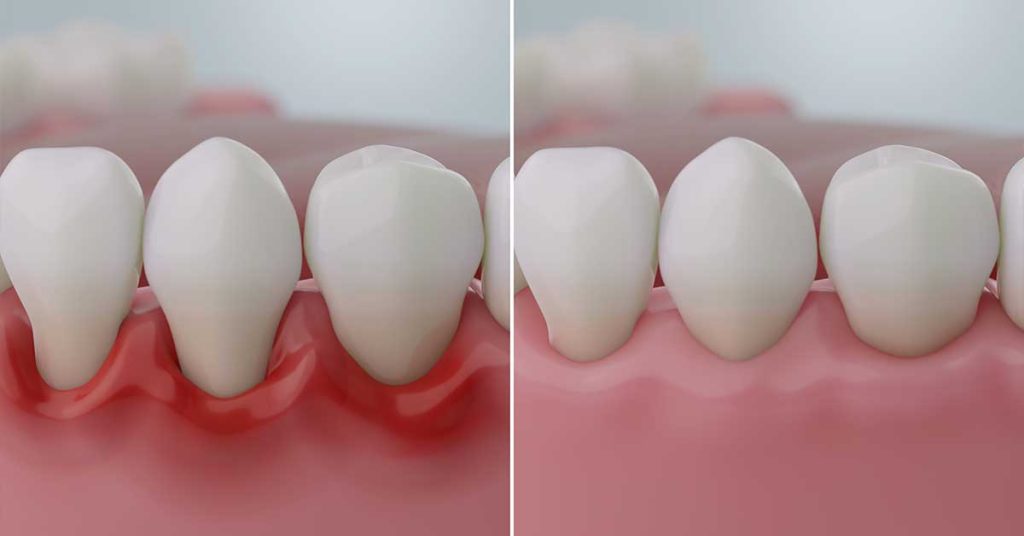

Quick Answer
Yes. Teeth whitening is generally safe when you use a proven peroxide-based product correctly or receive treatment from a dental professional. Temporary tooth sensitivity and gum irritation are the most common side effects. Problems become more likely when people overuse whitening products or try abrasive DIY methods that can wear away enamel. Whitening should make your teeth lighter, not leave you wondering whether you damaged them in the process. Some whitening methods work well. Others mainly remove surface stains. A few can create more problems than they solve. The important distinction is whether the method can safely change tooth color and whether your teeth are healthy enough for whitening in the first place.
How Does Teeth Whitening Actually Work?
Most effective bleaching products use hydrogen peroxide or carbamide peroxide.
These ingredients penetrate the tooth and break down colored compounds within enamel and dentin. As those compounds become less concentrated, the tooth appears lighter.
That is different from polishing away a surface stain.
Whitening toothpaste primarily removes external staining through polishing agents or mild abrasives. It can make teeth look cleaner and brighter, but it generally cannot produce the same color change as peroxide-based bleaching.
Does Whitening Damage Your Enamel?
Used correctly, established whitening treatments should not permanently damage healthy enamel.
The bigger concern is misuse.
Leaving a product on longer than directed, whitening too frequently, or combining multiple methods can increase sensitivity and irritate the gums.
Your teeth can only lighten so far. Once you reach that point, continued bleaching may add irritation without producing a meaningful improvement.
Why Do Teeth Become Sensitive After Whitening?
Peroxide can temporarily increase sensitivity inside the tooth.
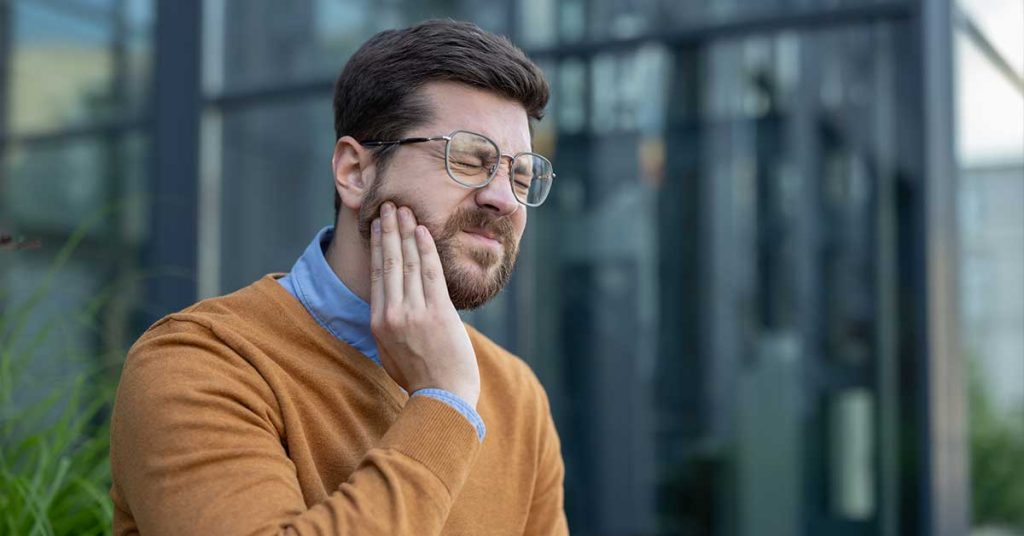
You may notice a quick response to cold air, drinks, or food during treatment. For most people, that sensitivity fades after whitening stops.
The concentration of the product, length of exposure, and your existing sensitivity can all affect how strongly you react.
If sensitivity becomes uncomfortable, give your teeth a break.
Significant sensitivity before whitening deserves attention too. Cavities, cracks, gum recession, or worn enamel can all cause similar symptoms.
At-Home vs. Professional Teeth Whitening
Both approaches can work.
Many peroxide-based whitening strips can lighten natural teeth when used as directed. Over-the-counter products usually contain lower concentrations of whitening agents, so results may develop more gradually.
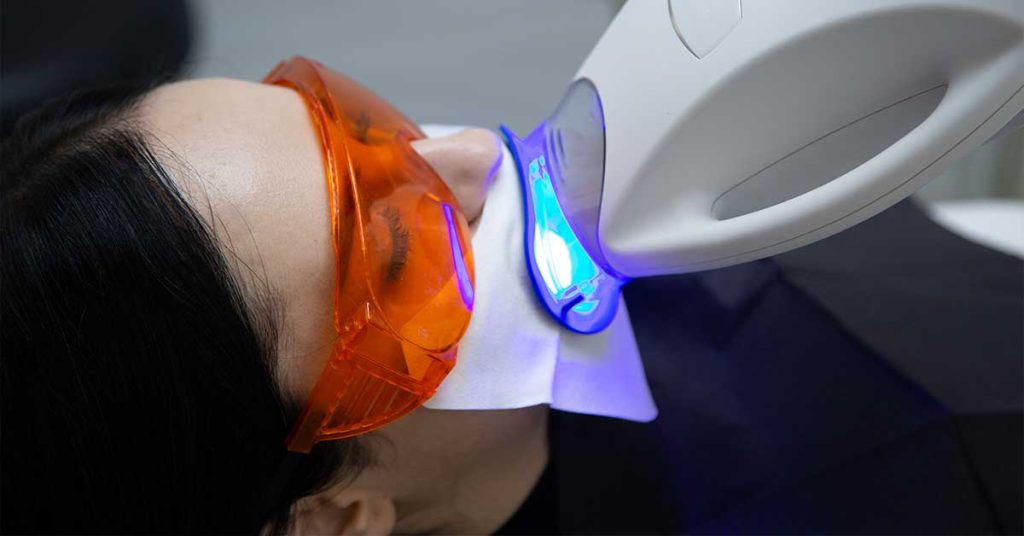
Professional whitening gives the dentist more control over the product, concentration, and application. It can also produce a more noticeable result in less time.
The best option depends on how much change you want, how quickly you want it, and whether existing dental conditions affect the plan.
For someone with healthy teeth who wants a modest improvement, a reputable over-the-counter product may be enough.
For someone with significant sensitivity, visible restorations, or more ambitious whitening goals, professional guidance may make more sense.
What About Whitening Toothpaste?
Whitening toothpaste has a narrower job.
It can help remove surface stains caused by coffee, tea, and other foods or drinks. That can improve the appearance of the teeth without chemically bleaching them.
What it cannot do as effectively is change the underlying shade of the tooth.
Be cautious with products that rely heavily on abrasion. Scrubbing harder or using an unusually abrasive product does not make enamel healthier or naturally whiter.
Once enamel wears away, you cannot brush it back.
Crowns, Fillings, and Veneers Won’t Whiten With Your Teeth
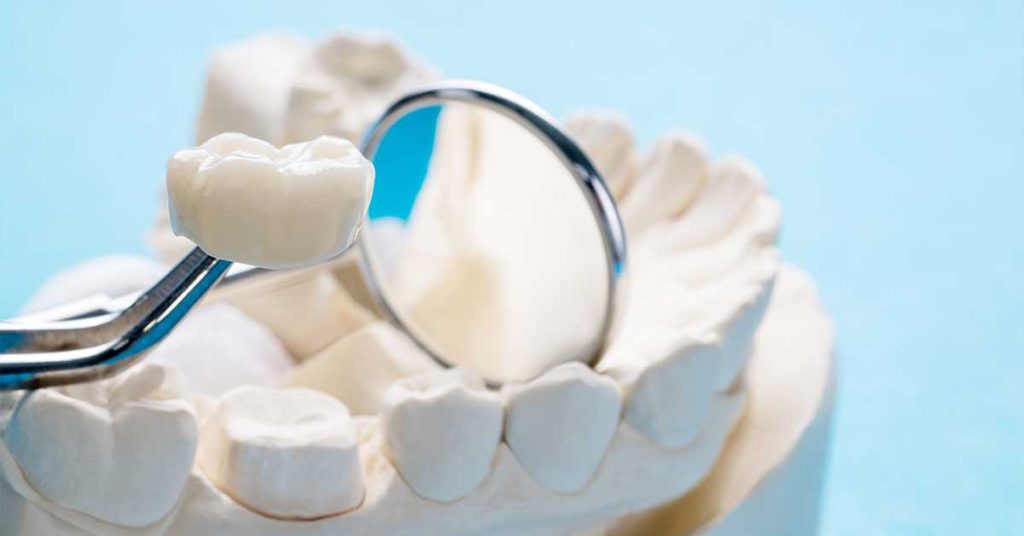
Whitening agents change the color of natural tooth structure. They do not lighten porcelain crowns, veneers, composite fillings, or other tooth-colored restorations in the same way.
That can create a color mismatch.
A crown that matched your teeth before whitening may look darker after the surrounding natural teeth become lighter.
Patients with visible restorations can still whiten their teeth, but it helps to plan around those restorations before treatment begins.
Be Careful With DIY Whitening Trends
Online recommendations often include charcoal, lemon juice, baking soda mixtures, vinegar, and other homemade methods.
“Natural” does not mean harmless.
Acidic ingredients can erode enamel. Highly abrasive materials can wear the tooth surface. Once enamel becomes thinner, the darker dentin underneath can become more visible.
That works against the appearance you were trying to improve.
Products with established whitening ingredients and clear directions give you a much more predictable path.
When Should You Talk to a Dentist Before Whitening?
A dental exam makes sense when something could change the whitening plan.
That includes untreated decay, significant gum irritation, a noticeably darker single tooth, persistent sensitivity, or several visible crowns, fillings, or veneers.
A single dark tooth deserves particular attention because generalized whitening may not address the cause.
We need to make sure the treatment matches the problem before spending time and money on it.
Common Questions About Teeth Whitening
How white can my teeth actually get?
That varies. Natural tooth color, the type of discoloration, and the whitening method all affect the final result.
Can I whiten my teeth if I have crowns or fillings?
Yes, but those restorations will not lighten along with your natural teeth. That can affect how evenly your smile looks afterward.
How often should I whiten my teeth?
There is no reason to whiten continuously. Once you reach the result you want, future touch-ups should be occasional rather than constant.
Whiten Your Teeth Without Guessing
Teeth whitening does not need to be complicated. Use products designed for the job, avoid aggressive DIY methods, and pay attention to sensitivity or irritation. If you want to know which whitening option makes sense for your teeth, Elite Smiles can evaluate your oral health and help you choose an approach that fits your goals.
Call Elite Smiles at (865) 637-5708 to or book a visit online to schedule an appointment and learn more about teeth whitening in Knoxville.