



Quick Answer
The best way to prevent gum disease is to remove plaque before it causes inflammation. Consistent brushing, daily cleaning between the teeth, routine professional cleanings, and managing risk factors such as tobacco use, diabetes, and dry mouth all help protect the gums. Because gum disease develops gradually, regular dental exams are often the best opportunity to identify early changes before permanent damage occurs.
Most people think gum disease begins when their gums start bleeding.
In reality, bleeding is often one of the first signs that the disease process has already begun. The bacteria responsible for gum disease have usually been accumulating along the gumline for days or weeks before the gums become swollen or tender. That is why prevention is so important. It focuses on interrupting the process before inflammation has the opportunity to damage the tissues supporting your teeth.
Fortunately, gum disease is as preventable as it is common. Understanding how it takes ahold of your gums is the first step toward avoiding it.
How Does Gum Disease Develop?
Your mouth naturally contains hundreds of different types of bacteria. Most are harmless when they exist in balance, but they constantly combine with saliva and food particles to form a sticky layer called dental plaque.
Plaque is more than food debris. It is a living bacterial biofilm that attaches tightly to teeth, especially along the gumline where it is more difficult to remove completely. If plaque remains undisturbed, the bacteria continue to mature and trigger an inflammatory response in the surrounding gum tissue.
Interestingly, the bacteria are only part of the story.
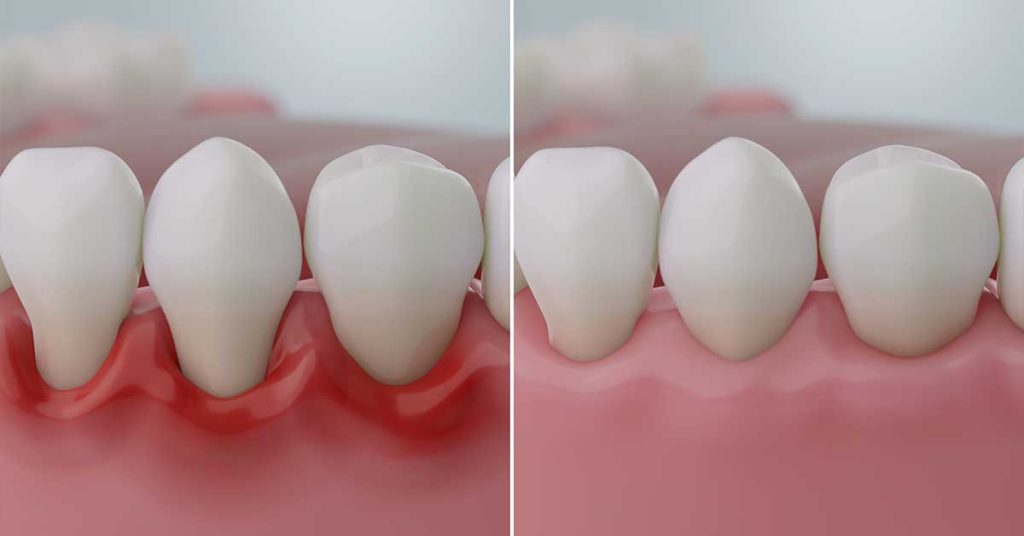
Much of the tissue damage associated with gum disease results from the body’s own immune response. As your immune system attempts to eliminate the bacteria, inflammation develops within the gums. Early on, this causes redness, swelling, and bleeding. If inflammation continues for months or years, it can begin affecting the bone and connective tissues that anchor your teeth.
Why Is Daily Plaque Removal So Important?
The goal of brushing is not simply to make teeth feel clean.
Its purpose is to disrupt bacterial biofilm before it matures into a more harmful community. That is why consistency matters far more than brushing aggressively. A soft-bristled toothbrush used carefully along the gumline removes plaque effectively without damaging delicate gum tissue.
Cleaning between the teeth is equally important because toothbrush bristles cannot reach every surface. Plaque that remains between teeth often becomes the starting point for gingivitis and, eventually, periodontal disease.
Skipping a day may not seem significant, but plaque continues developing every day. Regular disruption prevents bacteria from establishing a long-term environment that encourages inflammation.
Why Can’t Brushing Remove Everything?
Even excellent home care has limitations.
If plaque remains on the teeth long enough, it hardens into calculus, also called tartar. Once this occurs, brushing and flossing cannot remove it because it has bonded firmly to the tooth surface.
Calculus creates a rough surface where additional bacteria can accumulate more easily. As more plaque collects, inflammation becomes increasingly difficult to control at home.
Professional dental cleanings remove these hardened deposits before they create deeper problems. Regular cleanings also allow your dentist to monitor changes in your gums and identify concerns that may not yet be causing symptoms.
Who Has a Higher Risk of Developing Gum Disease?
Daily brushing and flossing are important, but they are only part of the picture.
Some people develop gum disease more easily because of factors that influence how their body responds to bacterial plaque. Smoking reduces blood flow to the gums and interferes with healing. Diabetes, particularly when blood sugar is not well controlled, increases the body’s inflammatory response and raises the risk of periodontal disease.
Dry mouth can also contribute because saliva helps wash away bacteria and neutralize acids. Certain medications, hormonal changes, immune disorders, and even family history may increase susceptibility despite otherwise good oral hygiene.
Knowing your personal risk factors allows your dentist to recommend a preventive plan that fits your specific needs instead of relying on general advice alone.
Can Gum Disease Be Reversed?
That depends on how early it is identified.
Gingivitis, the earliest stage of gum disease, is generally reversible because inflammation is limited to the gum tissue. Once plaque and tartar are removed and home care improves, the gums often return to a healthy state.
Periodontitis is different.
Once inflammation begins destroying the bone and connective tissues supporting the teeth, that damage cannot simply grow back on its own. Modern periodontal therapy can control the infection and help preserve the teeth, but rebuilding lost support is far more difficult than preventing its loss in the first place.
That is why early intervention remains one of the most effective tools in dentistry.
Common Questions About Preventing Gum Disease
Can brushing harder prevent gum disease?
No. Brushing with excessive force does not remove more plaque. Instead, it can wear away enamel and contribute to gum recession. A soft-bristled toothbrush used with proper technique is far more effective.
Do I really need to floss if I’m good at brushing?
Yes. Toothbrush bristles cannot adequately clean between adjacent teeth. Daily flossing or another form of interdental cleaning removes plaque from areas where gum disease commonly begins.
Can mouthwash replace brushing and flossing?
No. Therapeutic mouthwash may reduce bacteria, but it cannot physically remove plaque from tooth surfaces. Mechanical plaque removal remains the foundation of preventing gum disease.
How often should my gums be evaluated?
Most patients benefit from an examination during routine dental checkups every six months. However, patients with periodontal disease or higher risk factors may benefit from more frequent evaluations and professional cleanings.
Protect Your Gums Before Problems Develop
Healthy gums provide the foundation for a healthy smile. Preventing gum disease is far easier than treating advanced periodontal disease after it has damaged the tissues supporting your teeth.
If it has been a while since your last dental exam or you have noticed bleeding, tenderness, or other changes in your gums, Elite Smiles can help you understand exactly where your gum health stands. Patients throughout Knoxville and nearby communities, including Powell, Farragut, and Maryville, trust our team for preventive care focused on protecting their long-term oral health.
Call Elite Smiles at (865) 637-5708 to schedule your visit and take a proactive step toward keeping your gums healthy for years to come.