



Quick Answer
Gums sometimes bleed because of gingivitis, which is early gum inflammation caused by plaque buildup near the gumline. Bleeding can also be linked to aggressive brushing, hormonal changes during pregnancy, certain medications, dry mouth, or, less commonly, nutritional deficiencies such as low vitamin C. If the bleeding keeps happening, it should be evaluated before inflammation progresses into deeper gum disease that can damage supporting bone.
Seeing blood when you brush can feel surprisingly alarming. For many people, the first instinct is to blame the toothbrush. Maybe you pressed too hard. Maybe you hit the wrong spot. Maybe it is just one of those things. However, gums are not supposed to bleed as part of a normal brushing routine, and when they do, there is usually a reason.
In a lot of cases, bleeding gums are one of the earliest warning signs that the tissue around your teeth is inflamed. That does not always mean the problem is severe. It often means the issue is still in an early stage, which is exactly why it should not be ignored. What starts as occasional bleeding can gradually turn into tenderness, swelling, bad breath, gum recession, or a deeper infection below the surface.
For patients in the Knoxville area, that early attention matters. Whether you are coming from Knoxville, Powell, Farragut, Maryville, or another nearby community, getting bleeding gums checked sooner usually makes treatment simpler and more conservative. Elite Smiles also describes its office as conveniently located in the heart of Knoxville and serving Knoxville and surrounding areas.
Bleeding Gums Often Start with Inflammation
The most common cause of bleeding gums is plaque buildup near the gumline. Plaque is a sticky film of bacteria that forms on teeth every day. Even with regular brushing, it can collect in areas that are easy to miss, especially where the teeth meet the gums.
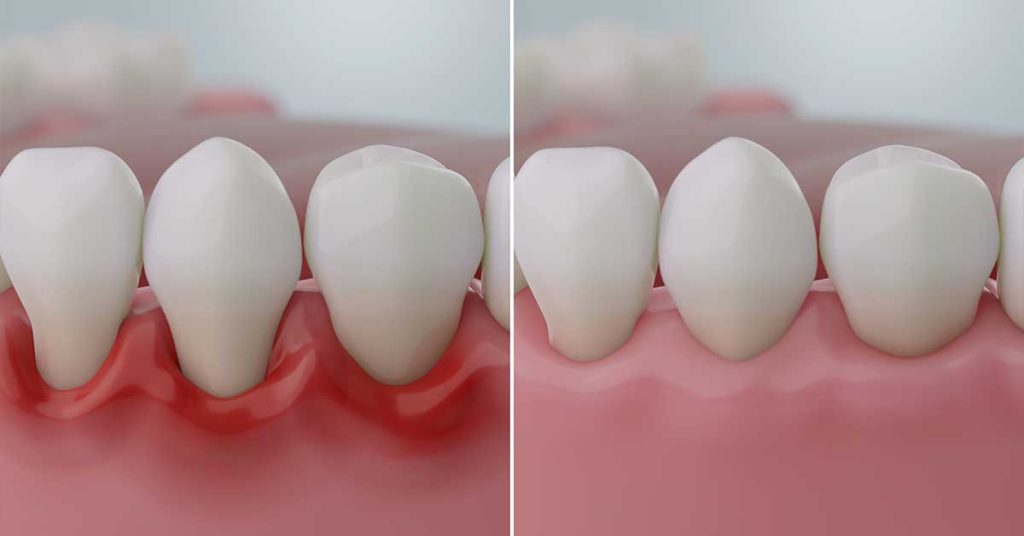
When that plaque stays in place too long, the gums begin to react. They may look red instead of healthy pink. They may feel swollen or tender. Then comes the bleeding – often while brushing, flossing, or sometimes even while eating certain foods. That early stage is called gingivitis. Mayo Clinic notes that gingivitis commonly causes swollen, tender gums that bleed easily, especially during brushing or flossing.
This is one reason routine cleanings matter so much. Brushing and flossing are essential, but once plaque hardens into tartar, it cannot be removed with home care alone. The longer buildup sits along the gumline, the longer the gums stay irritated.
Other Reasons Your Gums May Bleed
Plaque and gingivitis are the most common explanations, but they are not the only ones. A hard-bristled toothbrush can irritate gum tissue. So can brushing with too much force. If you recently started flossing again after a long gap, your gums may also bleed at first because the tissue is already inflamed.
Other factors can make bleeding more likely. Dry mouth can leave oral tissues more vulnerable. Tobacco use can worsen gum problems. Certain medications may increase bleeding. Hormonal shifts can also play a role, which is one reason some patients notice bleeding gums during pregnancy.
Less commonly, nutrition may be part of the picture. Low vitamin C has long been associated with bleeding gums, although that is not the first cause most dentists think of.
When Bleeding Gums Become More Serious
If inflammation is left alone, the problem can move deeper below the gumline. The gums may begin to pull away from the teeth. Small pockets can form around the roots. Bacteria can settle in those spaces, where a toothbrush cannot reach.
At that point, the issue is no longer simple gingivitis. It may be progressing toward periodontitis – a serious gum infection that can damage soft tissue and the bone supporting the teeth. Bone loss and tooth loss do not happen overnight, but they often begin with early symptoms people dismiss for too long.
That is why persistent bleeding deserves professional attention. The bleeding itself may seem minor. The condition causing it may not be.
How a Dentist Can Help
A dental exam can help sort out what is actually happening. Sometimes the cause is mild gingivitis and buildup near the gumline. In other cases, it may be a deeper gum issue, irritation from technique, or another contributing factor that needs to be addressed.
A professional cleaning removes plaque and tartar in areas that home brushing cannot fully reach. Your dentist can also evaluate gum tissue more closely, check for pockets around the teeth, and look for signs of recession or infection. For many patients, a few targeted changes make a real difference – a softer toothbrush, better brushing pressure, more consistent flossing, or a cleaning schedule that fits their needs more closely.
What You Can Do at Home
If your gums bleed when you brush, do not stop brushing. That usually allows more plaque to stay in place. Instead, brush gently with a soft-bristled toothbrush and take your time along the gumline.
Flossing matters too. It can be tempting to avoid the area that bleeds, but those are often the spots where inflammation is already building. Unless your dentist gives you a different instruction, keep flossing carefully each day.
It also helps to step back and look at the bigger picture. Have you skipped recent cleanings? Has your brushing become rushed? Are you dealing with dry mouth? Have your gums been sore for a while and you just hoped it would pass? Those details matter more than most people realize.
Common Questions About Bleeding Gums
Q: Why do my gums bleed only at night?
In many cases, it is not that your gums are bleeding because it is nighttime. It is that your evening brushing or flossing is the first time all day you are really disturbing inflamed tissue near the gumline. If plaque has been sitting there all day, the gums may react more noticeably during that nighttime routine.
Q: Can vitamin C deficiency cause bleeding gums?
Yes, it can. It is not the most common cause, but it is a real one. Low vitamin C intake has been associated with bleeding gums, which is one reason persistent bleeding should be evaluated in context instead of guessed at from home.
Q: Is it normal for gums to bleed during pregnancy?
It is common, but it should not be ignored. Ask your dentist if you may be developing pregnancy-related gingivitis. Preventive, diagnostic, restorative, and emergency dental care may still be performed during pregnancy for many patients.
Don’t Ignore the Early Signs
Bleeding gums do not always mean something severe is happening. They do mean something is off. Your mouth usually gives early warnings before bigger problems develop, and this is one of the clearest ones.
If your gums have been bleeding when you brush, Elite Smiles can help you get answers early. Whether you are in Knoxville or driving in from Powell, Farragut, Maryville, or another surrounding area, call (865) 637-5708 to schedule a visit and get a care plan that protects your gums, your teeth, and your long-term oral health.